Frequently Asked Questions
How effective are bunion splints for pain relief?
The effectiveness of bunion splints for pain relief is limited, as there is no long-term evidence supporting their efficacy. Understanding the underlying causes of bunions is crucial for effective treatment.
What treatment options are available for bunions?
Treatment options for bunions include non-invasive methods such as custom orthotics, splints, and physical therapy, as well as surgical interventions for severe cases. A professional assessment can help determine the best approach for your specific needs.
How can I assess my bunion condition?
Assessing your bunion condition involves observing any pain, swelling, or misalignment in the big toe. For a comprehensive evaluation, consider scheduling a free assessment at the Sydney Bunion Clinic to understand the underlying causes and treatment options.
What are the underlying causes of bunions?
The underlying causes of bunions include genetic predisposition, foot structure abnormalities, and prolonged pressure from ill-fitting footwear. These factors can lead to the misalignment of the big toe, resulting in the formation of a bunion.
Are there any non-invasive solutions for bunion correction?
Non-invasive solutions for bunion correction include custom orthotics, physical therapy, and bunion splints. However, it's essential to consult a professional for a comprehensive assessment to understand the best approach for your specific condition.
What are the benefits of bunion splints?
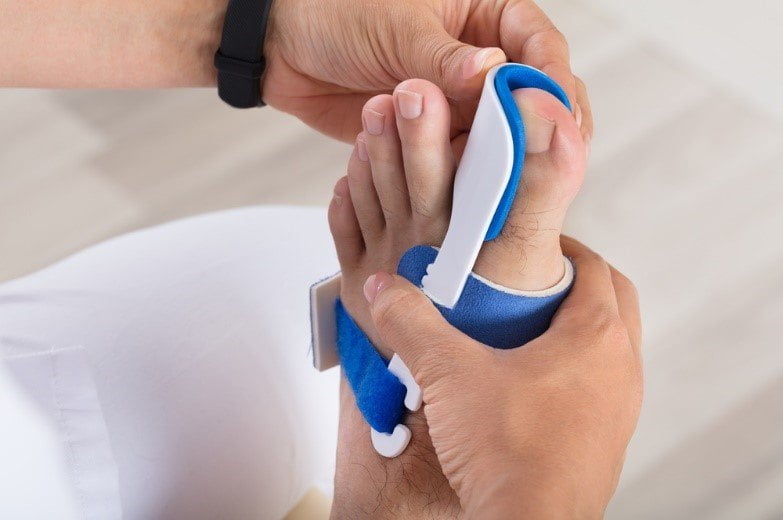
The benefits of bunion splints include temporary relief from pain and discomfort, as they help to realign the toe and reduce pressure on the affected area. However, it's important to note that there is limited evidence supporting their long-term effectiveness.
How do bunion correctors work effectively?
Bunion correctors work effectively by gently realigning the toe to its natural position, reducing pressure on the affected joint. However, their long-term efficacy is limited, and they are best used as part of a comprehensive treatment plan.
Can bunion splints prevent further deformity?
Bunion splints may help alleviate pain and provide temporary relief, but there is no conclusive evidence that they can prevent further deformity of the bunion itself. For effective long-term management, professional assessment and treatment options are recommended.
What materials are used in bunion correctors?
The materials used in bunion correctors typically include soft fabrics, silicone, and sometimes rigid components for support. These materials aim to provide comfort while gently realigning the toe to alleviate bunion pain.
How long should I wear a bunion splint?
The duration for wearing a bunion splint varies, but it is generally recommended to wear it for several hours daily or overnight, depending on your comfort and the severity of your bunion. Always consult with a healthcare professional for personalized advice.
Are bunion correctors suitable for all ages?
Bunion correctors are not universally suitable for all ages. While they may provide temporary relief for some individuals, it’s essential to consult a healthcare professional to determine the best treatment options based on age and specific needs.
What is the best way to use bunion splints?
The best way to use bunion splints is to wear them consistently, especially during the night or while resting, to gently realign the toe. Ensure they fit comfortably and do not cause additional pain.
How do I choose the right bunion corrector?
Choosing the right bunion corrector involves considering factors such as fit, material, and design. Look for a corrector that provides adequate support and comfort while addressing your specific bunion needs. Consulting a professional can also guide your choice effectively.
What are common misconceptions about bunion treatments?
Common misconceptions about bunion treatments include the belief that over-the-counter splints and correctors can provide long-term relief. In reality, these options often lack scientific support, and understanding the root causes is crucial for effective treatment.
Can bunion splints be worn overnight?
Bunion splints can be worn overnight to help alleviate pain and provide gentle correction. However, it's essential to ensure they fit comfortably to avoid discomfort during sleep.
What exercises help alleviate bunion pain?
Exercises that help alleviate bunion pain include toe stretches, towel curls, and ankle rotations, which strengthen foot muscles and improve flexibility. Regular practice can reduce discomfort and support proper foot alignment.
How do I know if I need a bunion splint?
Determining if you need a bunion splint involves assessing your bunion pain and discomfort levels. If you experience persistent pain, swelling, or difficulty in movement, consulting a specialist can help evaluate whether a bunion splint is a suitable option for you.
What are the side effects of bunion correctors?
The side effects of bunion correctors may include discomfort, skin irritation, and restricted movement. Prolonged use can also lead to muscle imbalances or increased pain, emphasizing the need for professional guidance when considering treatment options.
How effective are custom bunion splints?
The effectiveness of custom bunion splints is limited, as there is no long-term evidence supporting their ability to correct bunions. While they may provide temporary relief, understanding the underlying causes of bunions is crucial for effective treatment.
What should I expect during a bunion assessment?
During a bunion assessment, you can expect a thorough evaluation of your foot structure, an analysis of your symptoms, and a discussion of your medical history. The assessment helps determine the best treatment options tailored to your needs.
Are there any risks with bunion treatments?
The risks associated with bunion treatments can include discomfort, complications from surgical procedures, and potential ineffectiveness of non-invasive methods. It's essential to consult a professional to assess the best approach for your specific condition.
How can I manage bunion pain at home?
Managing bunion pain at home involves using ice packs to reduce swelling, wearing comfortable shoes with ample space, and performing gentle foot exercises to improve flexibility. Additionally, over-the-counter pain relievers may help alleviate discomfort.
What lifestyle changes can help with bunions?
Lifestyle changes that can help with bunions include wearing properly fitted shoes, avoiding high heels, maintaining a healthy weight, and incorporating foot exercises to strengthen muscles and improve flexibility. These adjustments can alleviate pain and slow the progression of bunions.
How often should I replace my bunion splint?
The frequency of replacing your bunion splint depends on usage and wear. Generally, it's advisable to replace your splint every 3 to 6 months or sooner if you notice signs of damage or reduced effectiveness.
What is the cost of bunion treatment options?
The cost of bunion treatment options varies widely depending on the method chosen, ranging from over-the-counter remedies to professional assessments and customized treatments. For accurate pricing, we recommend scheduling a free assessment at the Sydney Bunion Clinic.
How do bunion splints compare to surgery?
Bunion splints and surgery serve different purposes in bunion treatment. While splints may provide temporary relief and alignment, surgery offers a definitive correction of the bunion. For lasting results, surgical options are often more effective.
What signs indicate worsening bunion conditions?
Signs indicating worsening bunion conditions include increased pain, swelling around the joint, difficulty in finding comfortable footwear, and visible changes in the alignment of the big toe. If you experience these symptoms, seeking professional evaluation is recommended.
Can bunion correctors be used with shoes?
Bunion correctors can be used with shoes; however, it's essential to choose footwear that accommodates the corrector's design for optimal comfort and effectiveness. Properly fitting shoes can enhance the benefits of the corrector while reducing discomfort.
What is the recovery time for bunion treatments?
The recovery time for bunion treatments varies depending on the method used. Generally, non-invasive treatments may require a few weeks for improvement, while surgical options can take several months for full recovery.
How do I maintain my bunion corrector?
Maintaining your bunion corrector involves regular cleaning and proper storage. Clean it with mild soap and water, ensuring it dries completely before use. Store it in a cool, dry place to prolong its lifespan and effectiveness.


Sorry, the comment form is closed at this time.