Frequently Asked Questions
How can I find effective non-surgical bunion treatment options?
Effective non-surgical bunion treatment options can be found by consulting with a specialized clinic like the Sydney Bunion Clinic, where professionals assess your condition and recommend tailored conservative management strategies.
What are the common symptoms of bunions?
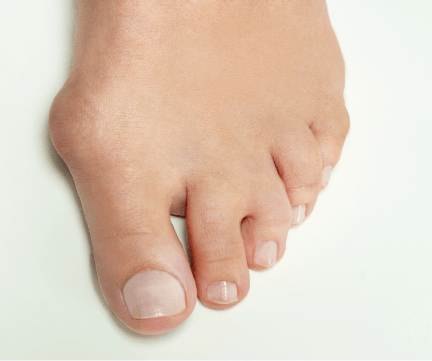
The common symptoms of bunions include a noticeable bump on the side of the foot, pain or discomfort in the big toe joint, swelling, and redness around the affected area. Additionally, difficulty in wearing shoes may occur.
What assessments are available for bunion treatment?
The assessments available for bunion treatment include a comprehensive foot examination, gait analysis, and imaging tests such as X-rays. These evaluations help determine the severity of the bunion and guide appropriate non-surgical treatment options.
How does the Sydney Bunion Clinic approach bunion management?
The Sydney Bunion Clinic approaches bunion management through comprehensive assessments and personalized non-surgical treatment plans, focusing on alleviating pain and preventing further progression of the condition.
What should I expect during a bunion assessment?
During a bunion assessment, you can expect a thorough evaluation of your foot, including a discussion of your symptoms, medical history, and a physical examination to determine the severity of your bunion and appropriate non-surgical treatment options.
Are there any special offers for new patients at the clinic?
The Sydney Bunion Clinic offers special promotions for new patients, including discounted assessments that provide a comprehensive evaluation of bunion conditions and tailored non-surgical treatment options.
What non-surgical treatments are available for bunions?
Non-surgical treatments available for bunions include custom orthotics, physical therapy, padding, and anti-inflammatory medications. These methods focus on alleviating pain and managing symptoms to help patients avoid surgery.
How effective are non-surgical bunion treatments?
The effectiveness of non-surgical bunion treatments varies, but many patients experience significant relief from pain and improved foot function through conservative methods such as custom orthotics, physical therapy, and lifestyle changes.
What causes bunions to develop over time?
The causes of bunions developing over time include genetic predisposition, improper footwear, and excessive pressure on the foot. These factors can lead to misalignment of the big toe, resulting in the formation of a bunion.
Can bunions be managed without surgery?
Bunions can be effectively managed without surgery. Non-surgical treatment options, such as custom orthotics, padding, and lifestyle adjustments, can alleviate pain and slow the progression of the condition, providing significant relief for many patients.
What are the risks of bunion surgery?
The risks of bunion surgery include infection, nerve damage, persistent pain, and complications related to anesthesia. Additionally, there's a chance of recurrence, meaning the bunion may return after surgery.
How long does bunion treatment typically take?
The duration of bunion treatment typically varies based on the chosen non-surgical methods, but most patients can expect to see improvements within a few weeks to a few months of consistent treatment.
What lifestyle changes can help with bunions?
Lifestyle changes that can help with bunions include wearing properly fitting shoes, avoiding high heels, maintaining a healthy weight, and incorporating foot-strengthening exercises to reduce pressure on the affected area.
Are custom orthotics beneficial for bunion relief?
Custom orthotics can be beneficial for bunion relief by providing support, improving foot alignment, and reducing pressure on the affected area. They help alleviate discomfort and can contribute to better overall foot health.
What exercises can alleviate bunion pain?
Exercises that can alleviate bunion pain include toe stretches, foot rolling, and towel curls, which help strengthen foot muscles and improve flexibility. Regularly performing these exercises can reduce discomfort and enhance overall foot function.
How can I prevent bunions from worsening?
Preventing bunions from worsening involves wearing properly fitted shoes, avoiding high heels, and practicing foot exercises to strengthen the muscles. Regular assessments at the Sydney Bunion Clinic can also help manage symptoms effectively.
What is the recovery process after bunion treatment?
The recovery process after bunion treatment involves rest and gradual return to normal activities, with some swelling and discomfort expected. Patients are advised to follow specific care instructions and attend follow-up appointments for optimal healing.
How often should I see a specialist for bunions?
The frequency of visits to a specialist for bunions depends on the severity of your condition. Generally, it's advisable to see a specialist every 6 to 12 months for ongoing assessment and management.
What are the signs that I need bunion treatment?
The signs that indicate you need bunion treatment include persistent pain, swelling around the big toe joint, difficulty wearing shoes, and visible deformity of the toe. If these symptoms affect your daily activities, it's time to seek treatment.
Can bunions affect my overall foot health?
Bunions can significantly affect your overall foot health. They may lead to discomfort, altered gait, and additional foot problems if left untreated, making it essential to seek appropriate non-surgical management options.
What footwear is best for bunion sufferers?
The best footwear for bunion sufferers includes shoes with a wide toe box, soft materials, and good arch support. Look for styles that reduce pressure on the bunion, such as sandals or sneakers designed specifically for comfort.
How do I know if I need an assessment?
Knowing whether you need an assessment depends on experiencing persistent pain, discomfort, or visible deformity in your foot. If bunion symptoms interfere with daily activities or footwear choices, it’s advisable to schedule an assessment at our clinic.
What should I bring to my bunion assessment?
For your bunion assessment, you should bring any relevant medical records, a list of current medications, and comfortable footwear. This information will help us better understand your condition and tailor your treatment plan.
Are there any home remedies for bunion pain?
Home remedies for bunion pain include soaking your feet in warm water, using ice packs to reduce swelling, and wearing cushioned footwear. Additionally, stretching exercises and over-the-counter pain relievers may provide relief.
What is the cost of bunion assessments?
The cost of bunion assessments at the Sydney Bunion Clinic is competitive and designed to provide value for our patients. For specific pricing details, we encourage you to contact our clinic directly or visit our website for the latest information.
How does the clinic ensure patient comfort during treatment?
The clinic ensures patient comfort during treatment by providing a welcoming environment, utilizing gentle techniques, and offering personalized care tailored to individual needs. Our team is dedicated to making each visit as comfortable and stress-free as possible.
What follow-up care is recommended after bunion treatment?
The recommended follow-up care after bunion treatment includes regular check-ups to monitor healing, wearing appropriate footwear, and following prescribed exercises to maintain foot strength and flexibility. It's essential to adhere to your clinician's advice for optimal recovery.
Can children develop bunions, and how are they treated?
Children can develop bunions, typically due to genetic factors or improper footwear. Treatment options include custom orthotics, physical therapy, and lifestyle adjustments to alleviate discomfort and manage symptoms, focusing on non-surgical methods.
What are the latest advancements in bunion treatment?
The latest advancements in bunion treatment include innovative non-surgical options such as custom orthotics, physical therapy techniques, and minimally invasive procedures that focus on pain relief and improved foot function without the need for traditional surgery.
How can I book an appointment at the clinic?
Booking an appointment at the clinic is simple. You can schedule your visit online through our website or call our reception directly for assistance.