Frequently Asked Questions
What are the treatment options for bunions?
The treatment options for bunions include non-surgical methods such as custom orthotics, physical therapy, and activity modifications to alleviate pain and improve foot function. In some cases, surgical intervention may be considered if conservative treatments are ineffective.
How can I manage plantar fasciitis effectively?
Effective management of plantar fasciitis includes stretching exercises, using supportive footwear, applying ice to reduce inflammation, and considering custom orthotics. Regular rest and avoiding high-impact activities can also aid recovery.
What non-surgical solutions are available for foot pain?
Non-surgical solutions for foot pain include custom orthotics, physical therapy, and targeted exercises. These methods aim to alleviate discomfort and improve mobility, allowing individuals to manage conditions like bunions and plantar fasciitis effectively.
What are the symptoms of bunions?
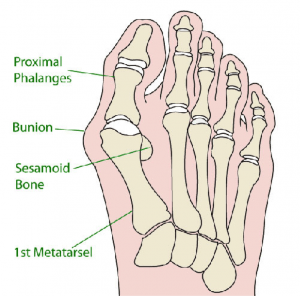
The symptoms of bunions include a noticeable bump on the side of the foot, pain or tenderness around the big toe joint, swelling, and difficulty finding comfortable footwear.
How do bunions affect running performance?
Bunions can negatively impact running performance by causing pain, discomfort, and altered foot mechanics, leading to improper gait and increased risk of injury. Managing bunions effectively is crucial for maintaining optimal running capabilities.
Can bunions be treated without surgery?
Bunions can be treated without surgery. Non-surgical options, such as custom orthotics, physical therapy, and lifestyle modifications, can effectively manage pain and improve foot function, allowing individuals to continue their daily activities and running.
What exercises help relieve plantar fasciitis?
Exercises that help relieve plantar fasciitis include calf stretches, toe stretches, and arch strengthening exercises. These movements can improve flexibility and reduce tension in the plantar fascia, aiding in pain relief and recovery.
How can I prevent bunions from worsening?
Preventing bunions from worsening involves wearing properly fitting shoes, using orthotic inserts, and maintaining a healthy weight. Regular foot exercises can also strengthen muscles and improve alignment, helping to alleviate pressure on the affected area.
What footwear is best for bunion pain?
The best footwear for bunion pain includes shoes with a wide toe box, good arch support, and cushioning. Look for styles that are flexible and avoid high heels to minimize pressure on the bunion.
Are there home remedies for plantar fasciitis?
Home remedies for plantar fasciitis include stretching exercises, ice therapy, supportive footwear, and using over-the-counter pain relief. These methods can help alleviate pain and improve mobility, making them effective options for managing the condition.
How does physical therapy help bunions?
Physical therapy helps bunions by improving foot mechanics, strengthening surrounding muscles, and increasing flexibility. This non-invasive approach can alleviate pain, enhance mobility, and potentially slow the progression of bunions, allowing for a more active lifestyle.
What are the causes of plantar fasciitis?
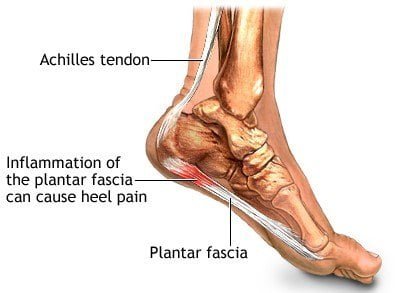
The causes of plantar fasciitis include repetitive strain on the plantar fascia, excessive walking or running, flat feet or high arches, and inadequate footwear that lacks support. These factors can lead to inflammation and pain in the heel and bottom of the foot.
How long does bunion recovery take?
The duration of bunion recovery varies based on the treatment method. Generally, non-surgical options can lead to improvement in a few weeks, while full recovery from surgical procedures may take several months.
What lifestyle changes can reduce foot pain?
Lifestyle changes that can reduce foot pain include maintaining a healthy weight, wearing supportive footwear, incorporating stretching and strengthening exercises for the feet, and avoiding prolonged standing or walking on hard surfaces.
Are custom orthotics effective for bunions?
Custom orthotics can be effective for bunions by providing support and alignment to the foot, helping to alleviate pain and discomfort. They can also reduce pressure on the affected area, making it easier to manage symptoms.
How can I improve my foot alignment?
Improving your foot alignment involves incorporating proper footwear, performing specific stretching and strengthening exercises, and maintaining a healthy weight. Consulting with a specialist can also provide tailored strategies for optimal alignment and foot health.
What are the risks of bunion surgery?
The risks of bunion surgery include infection, nerve damage, prolonged recovery, stiffness, and the possibility of bunion recurrence. It's essential to weigh these risks against potential benefits when considering surgical options.
How does inflammation contribute to plantar fasciitis?
Inflammation plays a crucial role in plantar fasciitis by causing pain and stiffness in the plantar fascia, the tissue that supports the arch of the foot. This inflammation can result from repetitive strain or excessive pressure, leading to discomfort during activities like running.
What role does weight play in foot pain?
Excess weight can significantly contribute to foot pain by increasing pressure on the feet and altering gait mechanics. This added stress may exacerbate conditions like bunions and plantar fasciitis, making proper weight management crucial for foot health.
How can I manage bunion pain while running?
Managing bunion pain while running involves wearing properly fitted shoes with ample toe room, using orthotic inserts for support, and incorporating stretching exercises. Additionally, consider reducing running intensity and seeking professional advice for tailored treatment options.
What are the best stretches for plantar fasciitis?
The best stretches for plantar fasciitis include calf stretches, toe stretches, and the plantar fascia stretch. These exercises help alleviate tension in the foot and improve flexibility, promoting relief from pain associated with the condition.
How often should I ice my bunions?
Icing your bunions should be done several times a day for about 15-20 minutes each session. This can help reduce swelling and alleviate pain, especially after activities that put stress on your feet.
What is the impact of high heels on bunions?
The impact of high heels on bunions is significant. Wearing high heels can exacerbate bunion pain and contribute to their formation due to the pressure and misalignment they cause on the foot.
How can I choose supportive footwear?
Choosing supportive footwear involves selecting shoes that offer adequate arch support, cushioning, and a proper fit to accommodate your foot shape. Look for brands that specialize in comfort and stability, especially if you have bunions or plantar fasciitis.
What are the signs I need medical help?
The signs that indicate you need medical help include persistent foot pain, swelling, difficulty walking, or any changes in the appearance of your feet, such as deformities or skin issues. Seeking prompt evaluation can prevent further complications.
How do bunions develop over time?
Bunions develop over time due to a combination of genetic factors, improper footwear, and biomechanical issues. These factors lead to misalignment of the big toe, causing pain and deformity as the condition progresses.
What dietary changes can help with inflammation?
Dietary changes that can help with inflammation include increasing the intake of omega-3 fatty acids found in fish, incorporating more fruits and vegetables rich in antioxidants, and reducing processed foods and sugars.
How can I maintain foot health while active?
Maintaining foot health while active involves wearing supportive footwear, stretching regularly, and paying attention to any discomfort. Additionally, consider incorporating foot-strengthening exercises and scheduling routine assessments to prevent issues like bunions and plantar fasciitis.
What are the latest treatments for bunions?
The latest treatments for bunions include non-surgical options such as custom orthotics, physical therapy, and specific foot exercises designed to alleviate pain and improve function, allowing individuals to manage their symptoms effectively.
How can I assess my foot pain at home?
Assessing your foot pain at home involves observing the pain's location, intensity, and triggers. You can also check for swelling or redness and try gentle stretches to gauge flexibility. Keeping a pain diary can help track changes over time.


Sorry, the comment form is closed at this time.