Frequently Asked Questions
What are the available treatment options for bunions?
The available treatment options for bunions include custom orthotics, physical therapy, and lifestyle modifications. Our clinic specializes in non-surgical solutions designed to alleviate pain and improve foot function, allowing you to maintain your daily activities.
How can I book a bunion assessment?
Booking a bunion assessment is easy. Simply visit our website or call the Sydney Bunion Clinic in Manly Vale to schedule your appointment at the special rate of $40.
What are the benefits of non-surgical bunion treatment?
The benefits of non-surgical bunion treatment include effective pain relief, improved foot function, and the ability to maintain your lifestyle and preferred footwear without the risks and recovery time associated with surgery.
What causes bunions to develop?
The causes of bunions developing include genetic predisposition, improper footwear, and biomechanical factors that lead to misalignment of the big toe joint. These factors contribute to the formation of a bony protrusion at the base of the toe.
How effective are non-surgical treatments?
The effectiveness of non-surgical treatments for bunions is significant, as they can alleviate pain, improve foot function, and help maintain lifestyle and footwear choices without the need for surgery.
Can bunions be treated at home?
Bunions can be managed at home through methods like ice application, over-the-counter pain relief, and wearing comfortable footwear. However, for effective long-term treatment, consulting a professional is recommended.
What should I expect during an assessment?
During an assessment, you can expect a thorough evaluation of your foot condition, including a discussion of your symptoms, a physical examination, and recommendations for effective non-surgical treatment options tailored to your needs.
Are there risks with non-surgical treatments?
The risks associated with non-surgical treatments for bunions are generally minimal. However, some patients may experience temporary discomfort or skin irritation. It’s essential to consult with our specialists to ensure the best approach for your individual needs.
How long does bunion treatment take?
The duration of bunion treatment varies based on the chosen method, but non-surgical treatments at the Sydney Bunion Clinic typically require a few sessions over several weeks to achieve effective results and alleviate pain.
What exercises help relieve bunion pain?
Exercises that help relieve bunion pain include toe stretches, marble pickups, and arch lifts. These movements strengthen foot muscles, improve flexibility, and reduce discomfort, promoting better alignment and easing pressure on the bunion.
Can bunions return after treatment?
Bunions can return after treatment. While non-surgical methods can effectively alleviate pain and improve foot function, factors such as genetics, footwear choices, and foot structure may contribute to their recurrence. Regular follow-up care is essential.
What footwear is best for bunions?
The best footwear for bunions includes shoes with a wide toe box, soft materials, and good arch support. Look for styles that provide ample cushioning and avoid high heels to minimize pressure on the bunion.
How do I know if I need treatment?
Knowing if you need treatment for bunions involves assessing your foot pain, discomfort, or difficulty in wearing certain shoes. If these symptoms affect your daily activities or quality of life, it’s advisable to seek an assessment at our clinic.
What are the signs of bunion progression?
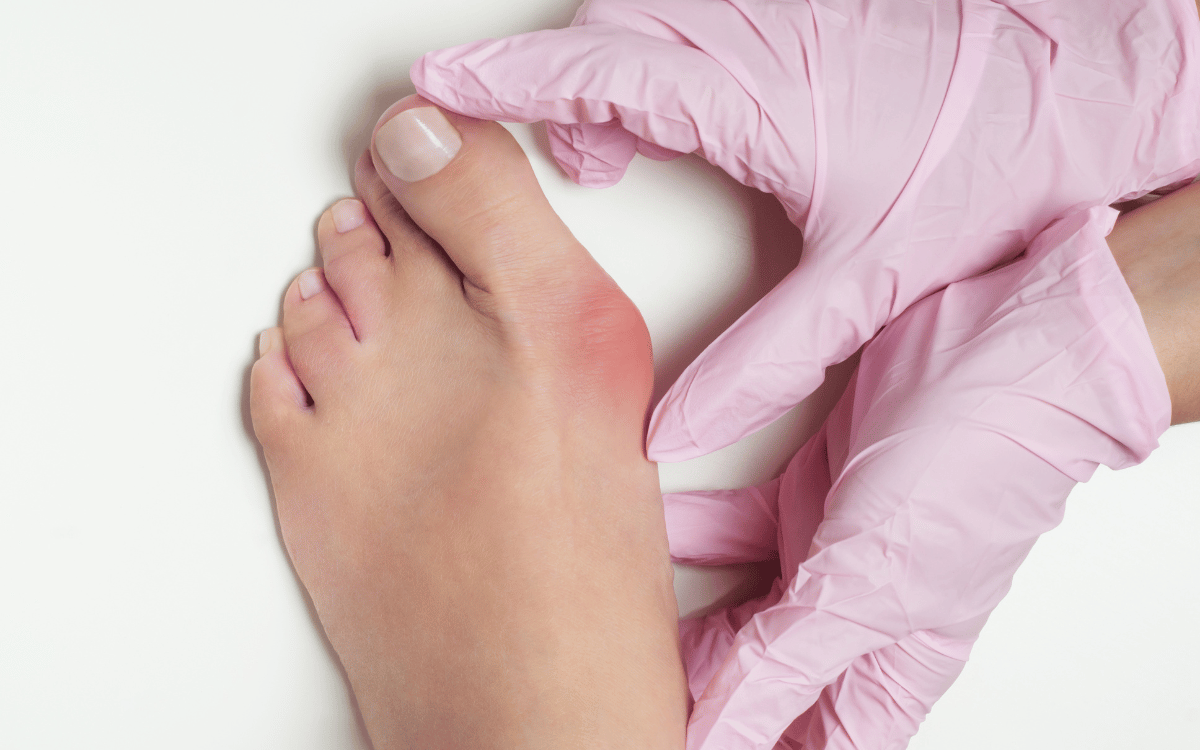
The signs of bunion progression include increased pain, swelling around the joint, redness, and noticeable changes in foot shape, such as the big toe angling towards the other toes.
Is there a recovery period after treatment?
The recovery period after treatment for bunions is minimal. Most patients can resume normal activities shortly after their non-surgical procedure, allowing for a quick return to daily life without significant downtime.
How often should I see a specialist?
The frequency of visits to a specialist depends on the severity of your bunion and treatment progress. Generally, it's advisable to see a specialist every 6 to 12 months for ongoing assessments and to adjust treatment as needed.
What is the cost of bunion assessments?
The cost of bunion assessments at Sydney Bunion Clinic is $40, offering new patients an affordable opportunity to evaluate their bunion-related foot pain and explore effective non-surgical treatment options.
Are there age restrictions for treatment?
There are no specific age restrictions for treatment at the Sydney Bunion Clinic. We welcome patients of all ages seeking non-surgical solutions for bunion-related foot pain.
How do I prepare for a bunion assessment?
Preparing for a bunion assessment involves wearing comfortable shoes that provide ample room for your feet and bringing any relevant medical history or previous treatments. This ensures a thorough evaluation of your condition.
What are the latest advancements in bunion treatment?
The latest advancements in bunion treatment include innovative non-surgical options such as custom orthotics, advanced physical therapy techniques, and minimally invasive procedures that effectively alleviate pain and improve foot function without the need for major surgery.
Can I continue sports with bunions?
Continuing sports with bunions is possible, but it may require adjustments. It's important to choose appropriate footwear and consider non-surgical treatment options to manage pain and prevent further issues while staying active.
How do bunions affect daily activities?
Bunions can significantly impact daily activities by causing pain and discomfort, making it difficult to walk, stand for long periods, or wear certain types of footwear. This can limit physical activities and affect overall quality of life.
What lifestyle changes can prevent bunions?
Lifestyle changes that can prevent bunions include wearing well-fitting shoes with adequate support, avoiding high heels, maintaining a healthy weight, and regularly stretching and strengthening foot muscles. These practices can reduce pressure on the toes and promote better foot alignment.
Are there dietary recommendations for bunion sufferers?
Dietary recommendations for bunion sufferers include focusing on an anti-inflammatory diet rich in fruits, vegetables, whole grains, and omega-3 fatty acids. Staying hydrated and limiting processed foods can also help reduce inflammation and alleviate discomfort.
How do I choose a bunion specialist?
Choosing a bunion specialist involves considering their experience in non-surgical treatments, patient reviews, and their approach to personalized care. Ensure they offer comprehensive assessments and are located conveniently, like the Sydney Bunion Clinic in Manly Vale.
What is the success rate of non-surgical options?
The success rate of non-surgical options for bunion treatment is generally high, with many patients experiencing significant pain relief and improved foot function. This approach effectively addresses bunion issues without the need for invasive procedures.
Can custom orthotics help with bunions?
Custom orthotics can help with bunions by providing proper support and alignment to the foot, alleviating pressure on the affected area. This can reduce pain and discomfort, allowing for improved mobility and comfort in footwear.
How do I manage bunion pain at home?
Managing bunion pain at home involves using ice packs to reduce swelling, wearing comfortable shoes with ample space, and using over-the-counter pain relievers. Additionally, consider foot exercises and orthotic inserts for added support.
What are the long-term effects of untreated bunions?
The long-term effects of untreated bunions include persistent foot pain, increased deformity, and potential development of arthritis in the affected joints, which can severely impact mobility and quality of life.
How can I find a clinic near me?
Finding a clinic near you is simple. You can use online search engines or maps by entering "bunion clinic near me" to locate options in your area, like the Sydney Bunion Clinic in Manly Vale.