Frequently Asked Questions
None - No questions provided for evaluation?
The situation of having no questions provided for evaluation indicates a lack of specific inquiries about bunions or treatment options. For assistance, please consider reaching out directly to the Sydney Bunion Clinic for tailored information.
What are the symptoms of bunions?
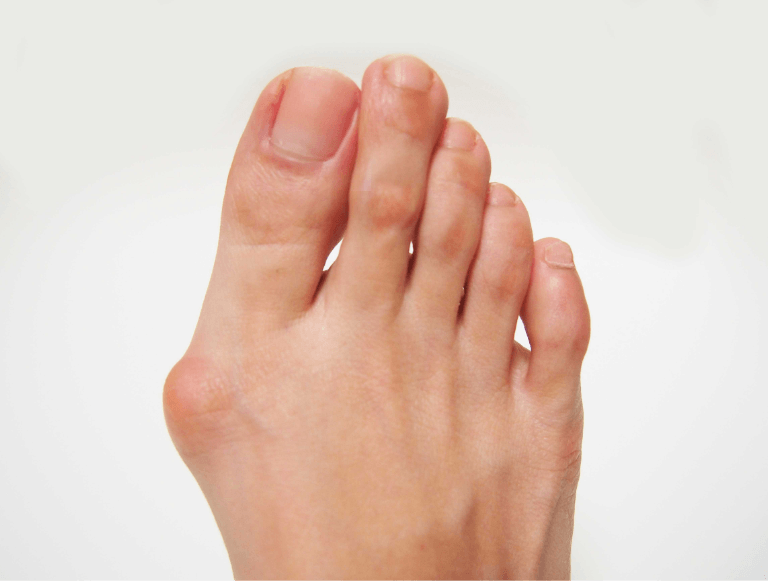
The symptoms of bunions include a noticeable bump on the side of the foot, pain or tenderness around the affected area, swelling, and difficulty in wearing shoes comfortably. Additionally, you may experience stiffness in the big toe.
How are bunions diagnosed by specialists?
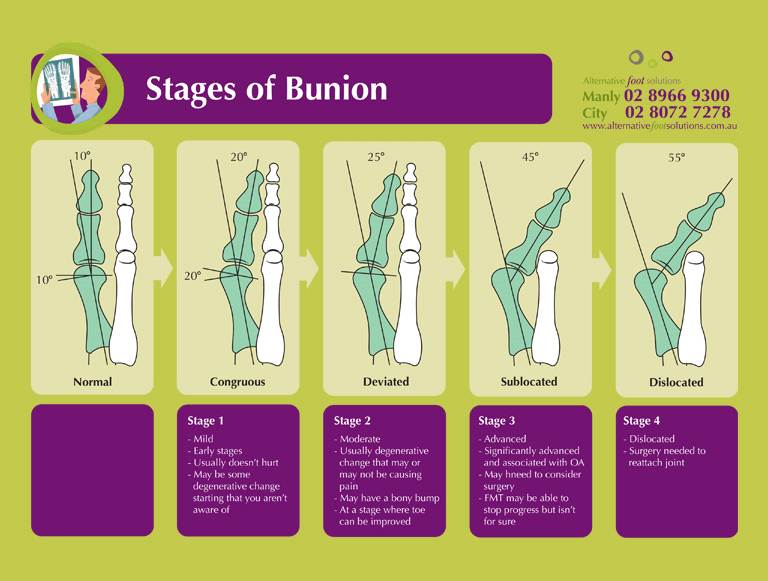
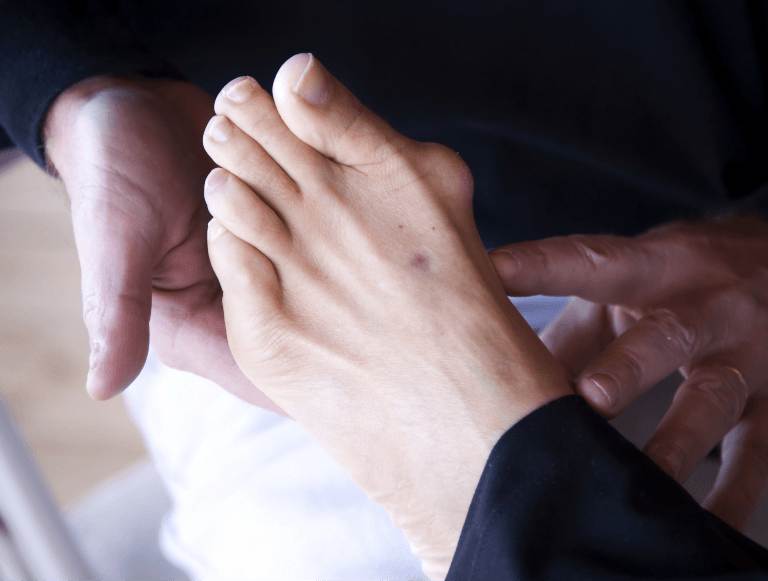
Bunions are diagnosed by specialists through a combination of physical examinations and imaging tests. The doctor will assess foot structure, evaluate symptoms, and may use X-rays to determine the severity of the bunion.
What non-surgical treatments are available for bunions?
Non-surgical treatments for bunions include custom orthotics, padding, anti-inflammatory medications, and lifestyle modifications such as wearing wider shoes. These options aim to alleviate pain and slow the progression of the condition.
When should I see a bunion specialist?
Seeing a bunion specialist is essential when you experience persistent pain, swelling, or difficulty walking due to a bunion. Early assessment can help prevent progression and explore treatment options tailored to your needs.
What causes bunions to develop?
Bunions develop due to a combination of genetic factors, abnormal foot mechanics, and prolonged pressure on the big toe joint. These factors can lead to misalignment, causing the characteristic bony bump at the base of the toe.
How can bunions affect daily activities?
Bunions can significantly affect daily activities by causing pain, discomfort, and difficulty in walking or standing for extended periods. This can hinder mobility and limit participation in physical activities or even routine tasks.
What are the risks of bunion surgery?
The risks of bunion surgery include infection, nerve damage, persistent pain, and complications related to anesthesia. Additionally, there may be a chance of recurrence of the bunion or incomplete correction of the deformity.
How effective are non-surgical bunion treatments?
The effectiveness of non-surgical bunion treatments varies by individual but can significantly alleviate pain and slow progression. Options such as orthotics, padding, and physical therapy may improve symptoms, though they do not correct the bunion itself.
What should I expect during a bunion assessment?
During a bunion assessment, you can expect a thorough examination of your foot, including a discussion of your symptoms, medical history, and possibly imaging tests to evaluate the severity of the bunion.
Are there specific shoes recommended for bunions?
Specific shoes are recommended for bunions to provide comfort and reduce pressure. Look for footwear with a wide toe box, soft materials, and good arch support to help alleviate symptoms and prevent further irritation.
How can I manage bunion pain at home?
Managing bunion pain at home involves using ice packs to reduce swelling, wearing comfortable footwear with ample space, and performing gentle foot exercises to improve flexibility. Over-the-counter pain relievers can also help alleviate discomfort.
What is the recovery time for bunion surgery?
The recovery time for bunion surgery typically ranges from 6 to 12 weeks, depending on the surgical technique used and individual healing factors. It's essential to follow your surgeon's post-operative care instructions for optimal recovery.
Can bunions be prevented with proper care?
Bunions can often be prevented with proper care. Maintaining foot health through appropriate footwear, regular foot exercises, and managing risk factors can significantly reduce the likelihood of developing bunions.
What are the long-term effects of untreated bunions?
The long-term effects of untreated bunions include chronic pain, increased deformity, and potential development of arthritis in the affected joint, which can significantly impact mobility and quality of life.
How do bunion specialists differ from general podiatrists?
Bunion specialists differ from general podiatrists by focusing specifically on the diagnosis and treatment of bunions, utilizing advanced techniques and tailored treatment plans to address this particular condition effectively.
What exercises can help with bunion discomfort?
Exercises that can help with bunion discomfort include toe stretches, arch lifts, and foot rolling to improve flexibility and strengthen the foot muscles. Regular practice can alleviate pain and enhance foot function.
How often should I visit a bunion specialist?
The frequency of visits to a bunion specialist depends on your symptoms and treatment plan. Generally, it's advisable to see a specialist annually or as recommended, especially if you experience pain or changes in your condition.
What is the best way to book an assessment?
The best way to book an assessment is to visit the Sydney Bunion Clinic's website, where you can easily schedule an appointment online or contact our office directly by phone for assistance.
Are there any dietary recommendations for bunion sufferers?
Dietary recommendations for bunion sufferers include consuming anti-inflammatory foods such as fruits, vegetables, whole grains, and omega-3 fatty acids, while limiting processed foods and sugars to help reduce inflammation and manage pain.
How do bunions impact foot alignment?
Bunions significantly impact foot alignment by causing the big toe to lean towards the second toe, leading to an altered foot structure. This misalignment can result in discomfort, difficulty walking, and increased pressure on other toes.
What are the latest advancements in bunion treatment?
The latest advancements in bunion treatment include minimally invasive surgical techniques, improved imaging technology for precise diagnosis, and innovative non-surgical options such as custom orthotics and physical therapy, enhancing recovery and patient outcomes.
How can I find a qualified bunion podiatrist?
Finding a qualified bunion podiatrist involves researching local clinics, checking credentials, and reading patient reviews. At the Sydney Bunion Clinic, our experienced specialists are dedicated to diagnosing and treating bunions effectively.
What role does genetics play in bunion development?
Genetics play a significant role in bunion development. Individuals with a family history of bunions are more likely to develop them, indicating that inherited foot structure and biomechanical factors contribute to their formation.
How do bunions affect athletic performance?
Bunions can significantly impact athletic performance by causing pain, discomfort, and altered foot mechanics, which may lead to decreased mobility and increased risk of injury during physical activities.
What are the signs that surgery is necessary?
The signs that surgery is necessary include persistent pain that interferes with daily activities, worsening deformity, and failure of non-surgical treatments to alleviate symptoms. If these issues arise, a surgical evaluation may be warranted.
How can I choose the right treatment option?
Choosing the right treatment option involves assessing the severity of your bunion, discussing symptoms with a specialist, and considering both non-surgical and surgical alternatives tailored to your needs at the Sydney Bunion Clinic.
What is the importance of early bunion assessment?
The importance of early bunion assessment lies in its ability to prevent further complications. Timely evaluation allows for effective management of symptoms and can help determine the most suitable treatment options, ultimately improving patient outcomes.
How do custom orthotics help with bunions?
Custom orthotics help with bunions by providing support and alignment to the foot, reducing pressure on the bunion area. They can alleviate pain and discomfort while promoting proper foot mechanics, which may slow the progression of bunion deformities.
What lifestyle changes can reduce bunion pain?
Lifestyle changes that can reduce bunion pain include wearing supportive footwear, avoiding high heels, maintaining a healthy weight, and incorporating foot exercises to strengthen muscles and improve flexibility. These adjustments can help alleviate discomfort and prevent further progression of bunions.