Frequently Asked Questions
What are the common misconceptions about bunions?
Common misconceptions about bunions include the belief that surgery is the only solution and that bunions cannot be reversed. Many people are unaware of effective non-surgical treatment options available to manage bunion pain and improve foot health.
What non-surgical treatment options are available for bunions?
Non-surgical treatment options for bunions include custom orthotics, foot mobilization techniques, padding, and anti-inflammatory medications to alleviate pain and improve foot function. Consulting with the Sydney Bunion Clinic can help tailor a management plan for your needs.
How can I manage bunion pain effectively?
Effective management of bunion pain involves a combination of non-surgical treatments such as foot mobilization techniques, wearing appropriate footwear, and using orthotic devices to alleviate pressure and discomfort.
What causes bunions to develop?
The causes of bunions developing include genetic predisposition, improper footwear, and structural abnormalities in the foot. These factors can lead to misalignment of the big toe, resulting in the formation of a bunion.
How can bunions affect daily activities?
Bunions can significantly impact daily activities by causing pain and discomfort, making it difficult to walk, stand for long periods, or wear certain footwear. This can lead to limitations in mobility and overall quality of life.
Are bunions hereditary or genetic?
Bunions can be hereditary or genetic, as family history often plays a role in their development. However, environmental factors and foot structure also significantly contribute to the likelihood of developing bunions.
What footwear is best for bunion sufferers?
The best footwear for bunion sufferers includes shoes with a wide toe box, soft materials, and good arch support. Look for styles that minimize pressure on the bunion while providing comfort and stability.
How do bunions progress over time?
Bunions progress over time through gradual misalignment of the big toe, leading to increased pain and discomfort. As they worsen, they can limit mobility and exacerbate foot problems, making early intervention crucial for effective management.
What are the signs of bunion pain?
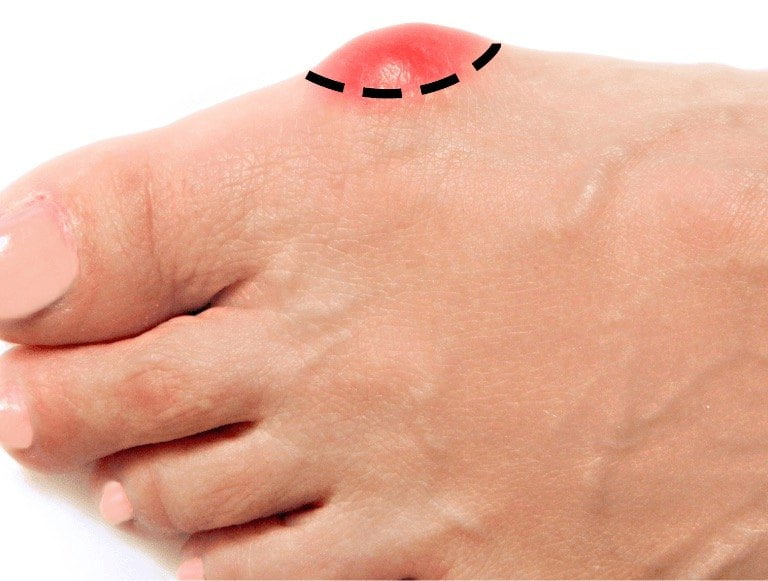
The signs of bunion pain include swelling, redness, and tenderness around the big toe joint, as well as difficulty in wearing shoes comfortably. You may also experience pain during movement or pressure on the affected area.
Can bunions be prevented with lifestyle changes?
Bunions can potentially be prevented with lifestyle changes. Wearing properly fitting shoes, maintaining a healthy weight, and practicing foot exercises can help reduce the risk of developing bunions and alleviate associated pain.
What exercises help alleviate bunion discomfort?
Exercises that help alleviate bunion discomfort include toe stretches, foot rolling, and toe separation techniques. These exercises can improve flexibility, reduce pain, and strengthen the muscles around the bunion, promoting better foot alignment.
How effective are orthotics for bunion relief?
The effectiveness of orthotics for bunion relief is significant, as they help redistribute pressure on the foot, alleviate pain, and improve alignment. While they may not reverse bunions, they can provide substantial comfort and support.
What is the role of foot mobilization techniques?
The role of foot mobilization techniques is to enhance joint flexibility, reduce pain, and improve overall foot function, offering a non-surgical approach to managing bunion symptoms effectively.
How can I assess my bunion severity?
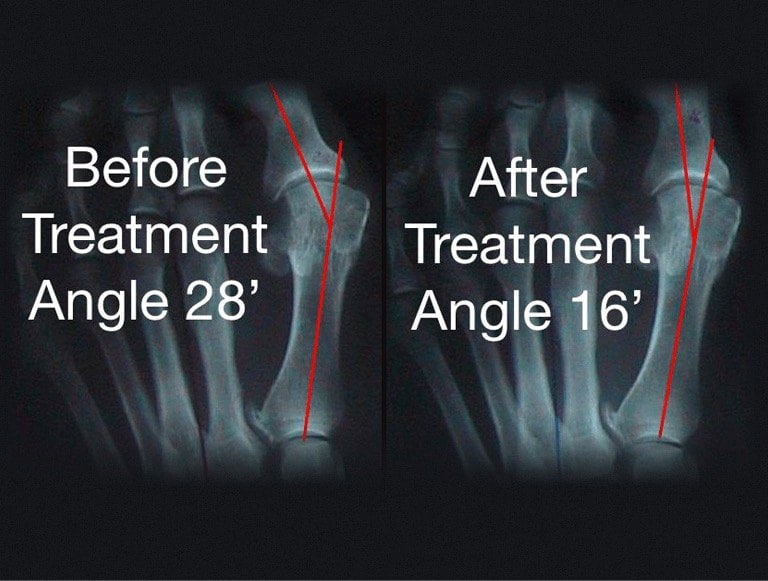
Assessing your bunion severity involves examining the size of the bunion, the angle of the big toe, and any associated pain or discomfort. A consultation with a specialist at the Sydney Bunion Clinic can provide a comprehensive evaluation and tailored treatment options.
What are the risks of bunion surgery?
The risks of bunion surgery include infection, nerve damage, persistent pain, and the possibility of recurrence. It's essential to discuss these potential complications with your surgeon to make an informed decision about your treatment options.
How long does non-surgical treatment take to work?
The duration for non-surgical treatment to take effect can vary, typically ranging from a few weeks to several months, depending on the individual’s specific condition and adherence to the treatment plan.
What lifestyle modifications can reduce bunion pain?
Lifestyle modifications that can reduce bunion pain include wearing well-fitting shoes with a wide toe box, using orthotic inserts for better foot support, and practicing foot exercises to strengthen muscles and improve flexibility.
Are there any home remedies for bunions?
Home remedies for bunions include using ice packs to reduce swelling, wearing comfortable shoes with a wide toe box, and practicing foot exercises to improve flexibility. These methods can help alleviate discomfort and manage symptoms effectively.
How do bunions impact foot alignment?
Bunions significantly impact foot alignment by causing the big toe to angle towards the second toe, leading to misalignment of the entire foot structure. This can result in altered gait patterns and increased pressure on other foot areas.
What is the best way to care for bunions?
The best way to care for bunions includes wearing properly fitted shoes, using orthotic inserts, and practicing foot mobilization techniques to alleviate pain and prevent further deformity. Regular assessments by a specialist can also help manage symptoms effectively.
Can bunions lead to other foot problems?
Bunions can indeed lead to other foot problems. As the bunion progresses, it may cause misalignment of the toes, leading to conditions such as hammertoes, metatarsalgia, and increased pain in the foot.
How often should I see a bunion specialist?
Seeing a bunion specialist regularly is important for managing your condition effectively. Generally, it's advisable to schedule an assessment at least once a year, or more frequently if your symptoms worsen or if you're considering treatment options.
What are the latest advancements in bunion treatment?
The latest advancements in bunion treatment include minimally invasive surgical techniques, enhanced imaging technology for accurate diagnosis, and innovative non-surgical options such as custom orthotics and foot mobilization therapies, all aimed at improving patient outcomes and comfort.
How do I choose a qualified bunion podiatrist?
Choosing a qualified bunion podiatrist involves researching their credentials, experience, and specialization in bunion treatments. Look for reviews and testimonials, and consider scheduling a consultation to assess their approach to non-surgical options.
What should I expect during a bunion assessment?
During a bunion assessment, you can expect a thorough evaluation of your foot, including a physical examination and possibly imaging tests to determine the severity of the bunion and discuss appropriate treatment options.
How can I educate myself about bunion care?
Educating yourself about bunion care involves researching reliable sources, such as the Sydney Bunion Clinic's website, attending informational workshops, and consulting with healthcare professionals to understand treatment options and effective management strategies for bunion pain.
What are the common myths about bunion treatments?
Common myths about bunion treatments include the belief that surgery is the only solution and that bunions cannot be managed without it. In reality, there are effective non-surgical options available, such as foot mobilization techniques, to alleviate pain and improve foot function.
How do bunions affect athletic performance?
Bunions can negatively impact athletic performance by causing pain, discomfort, and altered foot mechanics, which may lead to reduced mobility and increased risk of injury during physical activities.
What is the importance of early bunion intervention?
The importance of early bunion intervention lies in its ability to prevent further deformity and alleviate pain. Addressing bunions promptly can lead to more effective non-surgical treatments and improve overall foot health.
How can I find support for bunion management?
Finding support for bunion management involves seeking professional advice from specialists, such as those at the Sydney Bunion Clinic, who can provide tailored treatment options and guidance on effective pain management strategies.