Frequently Asked Questions
What non-surgical options are available for bunion treatment?
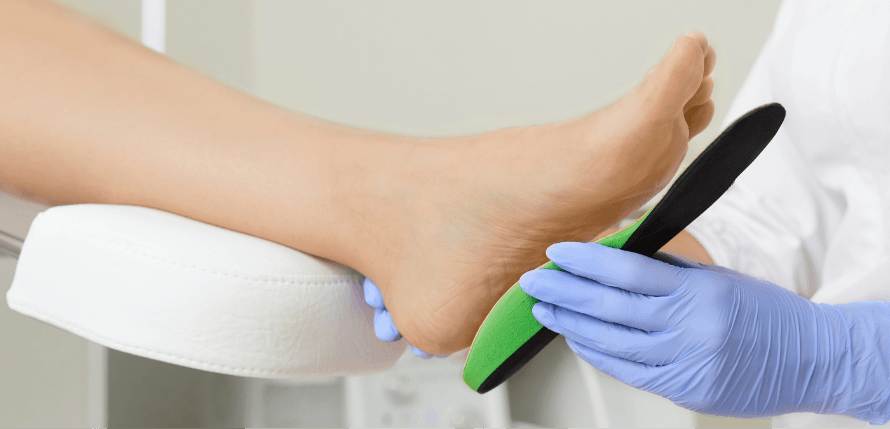
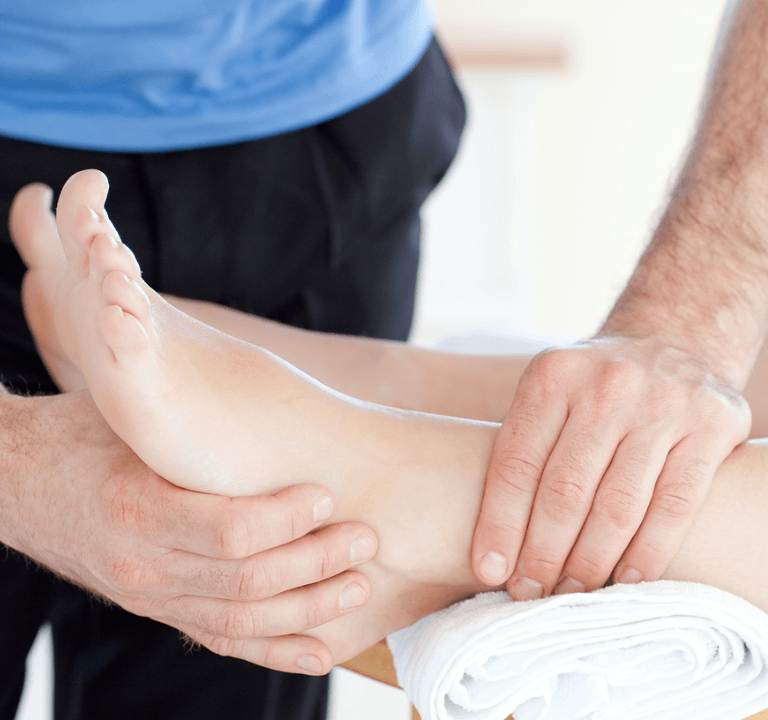
Non-surgical options available for bunion treatment include foot mobilisation therapy, custom orthotics, and targeted home exercises. These methods aim to alleviate pain, improve foot function, and prevent further progression of the bunion without the need for surgery.
How can I alleviate bunion pain without surgery?
Alleviating bunion pain without surgery can be achieved through effective non-surgical treatments such as foot mobilisation therapy, customized orthotics, and targeted home exercises that strengthen the foot and improve alignment.
What should I expect during a bunion assessment?
During a bunion assessment, you can expect a comprehensive evaluation of your foot, including a physical examination and discussion of your symptoms. This helps identify the best non-surgical treatment options tailored to your needs.
What are the benefits of non-surgical bunion treatments?
The benefits of non-surgical bunion treatments include reduced pain, lower risks associated with surgery, and a more holistic approach to foot care. These treatments, such as foot mobilisation therapy and home exercises, promote long-term relief and improved foot function.
How effective is foot mobilisation therapy for bunions?
The effectiveness of foot mobilisation therapy for bunions is notable, as it can significantly alleviate pain and improve foot function without the need for surgery. Many patients experience relief and enhanced mobility through this non-invasive approach.
Can home exercises reduce bunion pain?
Home exercises can effectively reduce bunion pain. By strengthening foot muscles and improving flexibility, these exercises help alleviate discomfort and promote better foot alignment, ultimately leading to a decrease in pain associated with bunions.
What techniques are used in bunion assessments?
The techniques used in bunion assessments include a thorough physical examination, gait analysis, and imaging studies if necessary. These methods help determine the severity of the bunion and guide personalized treatment options.
How long does non-surgical treatment take?
The duration of non-surgical treatment for bunions varies based on individual needs and response to therapy. Generally, patients may start to notice improvements within a few weeks, with a comprehensive treatment plan lasting several months for optimal results.
Are there risks associated with non-surgical bunion care?
The risks associated with non-surgical bunion care are minimal compared to surgical options. However, some individuals may experience temporary discomfort or require consistent commitment to treatment for optimal results.
What is the cost of bunion assessments?
The cost of bunion assessments at the Sydney Bunion Clinic varies depending on the specific evaluation and treatment plan needed. For precise pricing, please contact us directly or visit our website for more information.
How often should I perform bunion exercises?
The frequency of bunion exercises should be daily, ideally incorporating them into your routine for optimal results. Consistent practice helps alleviate pain and improve foot mobility over time.
What lifestyle changes can help with bunions?
Lifestyle changes that can help with bunions include wearing properly fitting shoes, maintaining a healthy weight, and incorporating foot exercises to strengthen the muscles. These adjustments can alleviate pain and slow the progression of bunions.
Are there specific shoes recommended for bunion sufferers?
Specific shoes are recommended for bunion sufferers to provide comfort and support. Look for footwear with a wide toe box, soft materials, and good arch support to alleviate pressure on the bunion and reduce pain.
How can I prevent bunions from worsening?
Preventing bunions from worsening involves wearing properly fitting shoes, incorporating foot exercises, and maintaining a healthy weight. Regularly practicing foot mobilisation therapy can also help alleviate pressure on the affected area.
What alternative therapies are available for bunions?
Alternative therapies available for bunions include foot mobilisation therapy, custom orthotics, and targeted home exercises. These non-surgical options aim to alleviate pain and improve foot function while reducing the need for invasive procedures.
How do I know if I need a bunion specialist?
Knowing if you need a bunion specialist involves assessing your symptoms. If you experience persistent pain, swelling, or difficulty walking due to bunions, it's advisable to consult a specialist for tailored treatment options.
What qualifications should a bunion podiatrist have?
The qualifications a bunion podiatrist should have include a degree in podiatric medicine, relevant clinical experience, and specialized training in non-surgical bunion treatments. Additionally, they should be registered with the appropriate medical board or professional association.
Can I manage bunion pain with over-the-counter medications?
Managing bunion pain with over-the-counter medications is possible. Non-prescription pain relievers, such as ibuprofen or acetaminophen, can help alleviate discomfort, but they should be used alongside other treatment options for best results.
What is the recovery process after bunion treatment?
The recovery process after bunion treatment involves gradual improvement in pain and mobility. Patients typically engage in foot mobilisation therapy and home exercises, allowing for a return to daily activities without the need for surgery.
How do bunion treatments differ for various ages?
Bunion treatments differ for various ages due to factors like bone development and overall health. Younger patients may benefit from conservative methods, while older individuals might require tailored approaches to manage pain and improve mobility effectively.
What signs indicate the need for bunion treatment?
The signs indicating the need for bunion treatment include persistent pain, swelling around the joint, difficulty finding comfortable footwear, and noticeable changes in foot shape. If you experience these symptoms, seeking treatment can help alleviate discomfort and prevent progression.
How can I find a reputable bunion clinic?
Finding a reputable bunion clinic involves researching clinics that specialize in non-surgical treatments, reading patient reviews, and checking credentials of practitioners. Consider clinics like the Sydney Bunion Clinic, known for their effective alternative therapies and patient-focused care.
What should I bring to my bunion assessment?
For your bunion assessment, you should bring any relevant medical records, a list of medications you're currently taking, and comfortable footwear to help assess your condition accurately.
How do I prepare for a bunion consultation?
Preparing for a bunion consultation involves gathering relevant medical history, noting any symptoms, and bringing comfortable footwear. This information will help our specialists tailor the best non-surgical treatment options for your needs.
What are common misconceptions about bunion treatments?
Common misconceptions about bunion treatments include the belief that surgery is the only effective solution and that bunions will always worsen over time. In reality, many non-surgical options, like foot mobilisation therapy and home exercises, can effectively alleviate pain and manage bunion progression.
How can I track my progress during treatment?
Tracking your progress during treatment is essential. You can monitor improvements by keeping a journal of your symptoms, noting any changes in pain levels, and regularly discussing your progress with your clinician during assessments.
What follow-up care is needed after bunion therapy?
Follow-up care after bunion therapy includes regular check-ins with your therapist, adherence to prescribed home exercises, and monitoring any changes in pain or foot alignment. This ensures optimal recovery and effectiveness of the treatment.
Are there any dietary recommendations for bunion relief?
Dietary recommendations for bunion relief include incorporating anti-inflammatory foods such as omega-3 fatty acids, fruits, and vegetables, while avoiding processed foods and excessive sugar. Staying hydrated and maintaining a healthy weight can also help alleviate bunion pain.
How can I manage bunion pain during physical activity?
Managing bunion pain during physical activity involves wearing supportive footwear, using orthotic inserts, and performing gentle stretches. Additionally, consider modifying activities to reduce stress on the feet, ensuring comfort while staying active.
What should I expect from my first visit to a bunion specialist?
During your first visit to a bunion specialist, you can expect a comprehensive assessment of your foot condition, including a discussion of your symptoms and medical history, followed by personalized treatment recommendations tailored to alleviate your bunion pain.