Frequently Asked Questions
What are corns and bunions?
Corns and bunions are both foot conditions that cause discomfort. Corns are thickened areas of skin that develop due to friction, while bunions are bony bumps at the base of the big toe, often causing misalignment and pain.
What is the difference between calluses, corns, and bunions?
The difference between calluses, corns, and bunions lies in their formation and location: calluses are thickened skin due to friction, corns are smaller, painful bumps often on toes, and bunions are bony protrusions at the base of the big toe.
What causes corns and bunions?
The causes of corns and bunions include prolonged pressure on the feet from ill-fitting shoes, foot deformities, and repetitive activities that stress the foot. These factors lead to skin thickening and bone misalignment, resulting in painful conditions.
How can I identify corns and bunions?
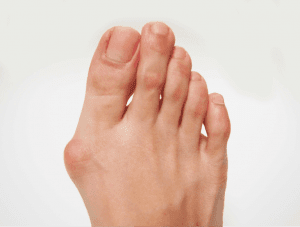
Identifying corns and bunions involves observing their distinct characteristics: corns appear as small, hardened bumps on the toes, often painful when pressed, while bunions are bony protrusions at the base of the big toe, causing misalignment and discomfort.
Are corns and bunions painful?
Corns and bunions can indeed be painful. Both conditions often cause discomfort due to pressure on the affected areas, leading to pain, inflammation, and difficulty in walking.
What treatments are available for corns?
The treatments available for corns include over-the-counter pads, prescription medications, and professional removal by a podiatrist. Additionally, addressing underlying foot issues and wearing properly fitting shoes can help prevent recurrence.
How do bunions develop over time?
Bunions develop over time due to an imbalance in the forces exerted on the joints of the foot, often exacerbated by factors like genetics, footwear choices, and foot structure. This leads to the gradual misalignment of the big toe and the formation of a bony bump.
Can corns be prevented effectively?
Corns can be effectively prevented by wearing properly fitting shoes, maintaining foot hygiene, and using protective pads. Regular foot care and addressing any foot deformities can also help reduce the risk of developing corns.
What footwear is best for bunions?
The best footwear for bunions includes shoes with a wide toe box, soft materials, and good arch support. Look for styles that minimize pressure on the bunion, such as sandals or sneakers designed specifically for foot conditions.
How do calluses differ from corns?
Calluses differ from corns primarily in their location and appearance. Calluses are thickened skin areas that develop on the soles of the feet or palms due to friction, while corns are smaller, often painful, localized thickenings that form on toes.
What are the symptoms of bunions?
The symptoms of bunions include a noticeable bump on the side of the foot, pain or tenderness in the affected area, swelling, and difficulty wearing shoes. In some cases, the big toe may also become misaligned.
Are there home remedies for corns?
Home remedies for corns include soaking your feet in warm water, using a pumice stone to gently remove dead skin, and applying moisturizing creams to soften the area. However, persistent corns may require professional treatment.
How can I treat bunions at home?
Treating bunions at home can involve several methods, including wearing supportive footwear, using bunion pads, applying ice to reduce swelling, and performing foot exercises to improve flexibility.
What professional treatments exist for bunions?
Professional treatments for bunions include custom orthotics, physical therapy, and, in severe cases, surgical intervention to realign the toe and relieve pain. Consulting a specialist can help determine the best approach for your specific condition.
How do I know if I have a corn?
The signs that indicate you may have a corn include a small, thickened area of skin on your foot, often painful when pressure is applied, and a hard center surrounded by inflamed skin.
What are the long-term effects of bunions?
The long-term effects of bunions include chronic foot pain, difficulty in walking, and potential misalignment of other toes, which can lead to further complications if left untreated.
Can corns lead to other foot problems?
Corns can lead to other foot problems. If left untreated, they may cause discomfort, alter your gait, and result in additional issues like calluses, bunions, or even more severe foot pain. It's essential to address corns promptly to prevent complications.
How often should I check my feet?
Regular foot checks are essential for maintaining foot health. You should examine your feet at least once a week for any changes, such as redness, swelling, or new growths, and consult a specialist if you notice any concerns.
What is the best way to manage foot pain?
The best way to manage foot pain is to identify the underlying cause and seek appropriate treatment. Options may include rest, ice, over-the-counter pain relief, custom orthotics, and professional assessments to ensure effective care.
Are there specific exercises for bunions?
Specific exercises for bunions can help improve foot flexibility and strength. Gentle stretches and toe alignment exercises may alleviate discomfort and slow bunion progression, but it's essential to consult a healthcare professional for personalized recommendations.
How do I choose the right shoes?
Choosing the right shoes involves considering comfort, support, and fit. Look for shoes that provide adequate arch support and cushioning, and ensure they fit well without being too tight or loose to prevent foot pain and conditions like bunions.
What role does foot hygiene play?
The role of foot hygiene is crucial in preventing foot conditions like bunions, corns, and calluses. Proper cleaning, moisturizing, and nail care help maintain healthy skin and reduce the risk of infections and discomfort.
Can diet affect foot health?
Diet can significantly affect foot health. A balanced diet rich in vitamins and minerals supports healthy bones and tissues, while excessive sugar and processed foods can lead to inflammation and conditions like diabetes, which may worsen foot issues.
How can I reduce friction on my feet?
Reducing friction on your feet involves wearing well-fitted shoes, using moisture-wicking socks, and applying protective pads or creams to vulnerable areas. Keeping your feet dry and maintaining proper foot hygiene can also help minimize friction-related issues.
What are the risks of bunion surgery?
The risks of bunion surgery include infection, nerve damage, persistent pain, and complications related to anesthesia. Additionally, there may be a chance of the bunion returning or requiring further surgery.
How effective are orthotics for corns?
The effectiveness of orthotics for corns lies in their ability to redistribute pressure on the foot, alleviating discomfort and preventing further development of corns. Properly fitted orthotics can significantly improve foot health and comfort.
What should I expect during a foot assessment?
During a foot assessment, you can expect a thorough evaluation of your feet, including a physical examination, discussion of your symptoms, and possibly imaging tests to determine the best treatment options for your condition.
How can I relieve pressure on bunions?
Relieving pressure on bunions involves wearing properly fitting shoes with a wide toe box, using cushioned insoles, and applying pads to reduce friction. Consider consulting a specialist for personalized treatment options.
What lifestyle changes can help foot conditions?
Lifestyle changes that can help foot conditions include wearing properly fitted shoes, maintaining a healthy weight, practicing good foot hygiene, and incorporating regular foot exercises to strengthen muscles and improve flexibility.
Are there any complications from untreated corns?
Untreated corns can lead to complications such as persistent pain, infection, and difficulty walking. Over time, they may cause misalignment of the toes or worsen existing foot conditions, necessitating more extensive treatment.


Sorry, the comment form is closed at this time.